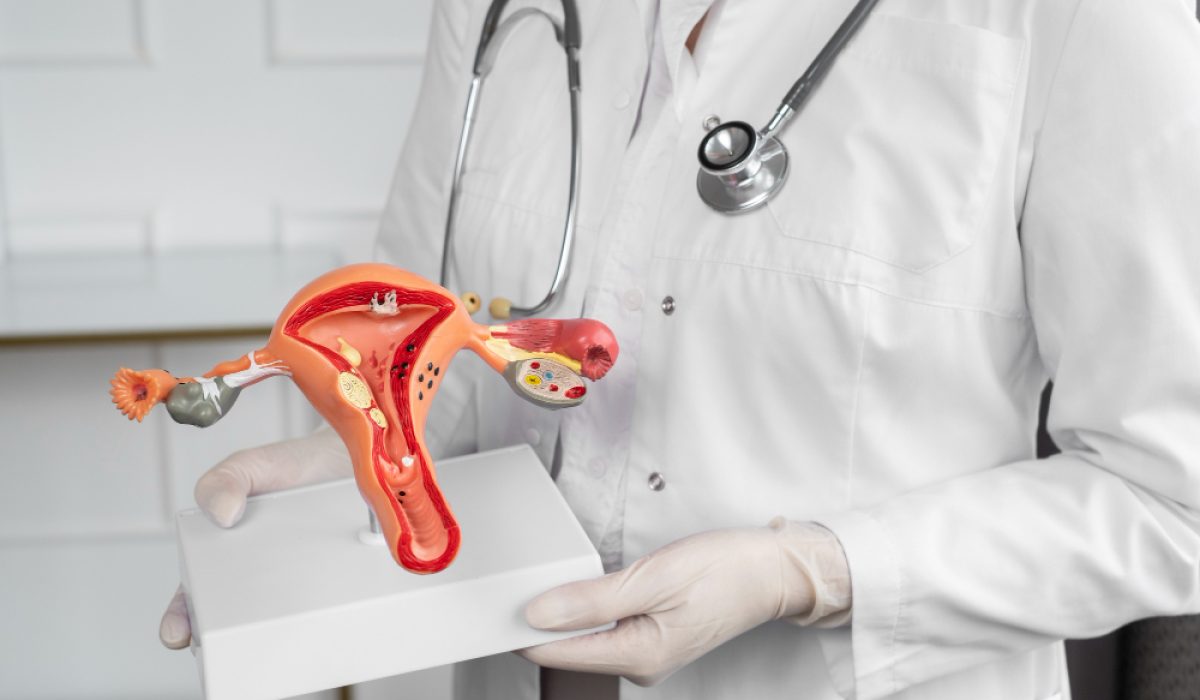
What Are Uterine Fibroids?
Uterine fibroids are non-cancerous growths that form in or on the uterus. Many women develop these benign uterine tumors during their childbearing years. Although fibroids are common, not everyone has symptoms. In the United States, up to 70% of women may get fibroids by age 50, according to the CDC. Because these growths are usually not cancer, they are called benign. However, they can still cause discomfort or other health issues. Understanding fibroid symptoms and treatment for uterine fibroids can help you make informed choices about your health.
Common Symptoms of Uterine Fibroids
Some women with uterine fibroids have no symptoms at all. However, others may notice changes in their bodies. For example, symptoms can depend on the size, number, and location of the fibroids. If you have any of the following signs, it may be due to fibroids:
Not all symptoms mean you have fibroids. But if you notice any of these, it is wise to talk to your doctor.
Causes and Risk Factors
Doctors do not know the exact cause of uterine fibroids. Still, several factors can raise your risk. For instance, hormones like estrogen and progesterone seem to help fibroids grow. In addition, family history plays a role. If your mother or sister had fibroids, you may be more likely to get them. Other risk factors include:
Although you cannot control all risk factors, knowing them can help you stay alert to changes in your health.
How Uterine Fibroids Are Diagnosed
Doctors use several methods to diagnose uterine fibroids. First, your doctor may ask about your symptoms and medical history. Next, a pelvic exam can help check for changes in the shape or size of your uterus. If fibroids are suspected, your doctor may order tests such as:
Early diagnosis can help you find the best treatment for uterine fibroids and avoid complications.
Treatment Options for Uterine Fibroids
Treatment for uterine fibroids depends on your symptoms, age, and plans for pregnancy. Some women need no treatment if symptoms are mild. However, if fibroids cause problems, several options are available:
Your doctor will help you choose the best treatment based on your needs and health goals.
Lifestyle Tips and Prevention
While you cannot always prevent uterine fibroids, healthy habits may lower your risk. For example, eating more fruits and vegetables can help. In addition, staying at a healthy weight is important. Here are some tips:
Although these steps may not stop fibroids, they support your overall health.
When to See a Doctor
If you notice heavy periods, pain, or other symptoms, do not wait to seek help. Early treatment can prevent complications. For example, see your doctor if you:
Remember, only a healthcare professional can diagnose and treat uterine fibroids properly.
If you have concerns about uterine fibroids or fibroid symptoms, consult your doctor for personalized advice and care.